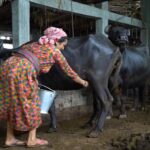
Agriculture is the backbone of Nepal’s economy, yet many farmers face challenges in securing the funding needed to grow their operations. Access to capital is often the biggest obstacle between small-scale farming and a thriving agricultural business. Agricultural loans can bridge this gap by providing the funds needed for equipment, seeds, fertilizer, and farm expansion. This guide breaks down everything you need to know about securing an agricultural loan in Nepal.
We’ll explore the different types of financial support available, from standard bank loans to government schemes. You’ll also learn about eligibility criteria, the application process, and the benefits these loans offer. By the end, you’ll have a clear roadmap to access the financial resources to help your farm succeed.
For many farmers in Nepal, agricultural loans are more than just financing—they’re an investment in the future. These loans enable farmers to move beyond subsistence farming and build more productive and resilient businesses. With proper funding, farmers can purchase modern equipment, invest in higher-quality seeds, and adopt sustainable farming practices to boost yields and income.
Agricultural loans also help farmers manage seasonal cash flow gaps. Farming often requires significant upfront costs, while income typically comes after the harvest. Loans can bridge this gap, ensuring operations run smoothly. By empowering farmers, these loans also stimulate rural economies and contribute to Nepal’s food security.
Navigating the finance world can be overwhelming, but Nepali farmers have several funding options tailored to their needs. These fall into three primary categories: agricultural loans, grants, and subsidies.
Krishi Loans are credit products specifically designed for agriculture. Offered by banks and financial institutions, these loans often feature repayment schedules aligned with farming cycles. They can be used for a variety of purposes, including:
Some banks even offer specialized loan products, such as ADBL Saral Krishi Karja or Sajilo Krishi Karja, which include government-supported benefits like interest subsidies.
Farming grants are funds that do not need to be repaid. Typically offered by government agencies, NGOs, or international organizations, these grants often target specific initiatives such as organic farming, climate-resilient agriculture, or support for marginalized farming communities. Grants are competitive but can be a powerful way to fund innovative projects without taking on debt.
Agricultural subsidies are government programs aimed at reducing farming costs. Instead of direct cash, subsidies lower the price of essential goods and services. Examples include:
Subsidies make modern farming more affordable and encourage sustainable practices.
Eligibility requirements vary depending on the bank and loan product, but most financial institutions in Nepal consider the following criteria:
For precise details, speak with a loan officer at your chosen bank.
Applying for an agricultural loan involves several steps. Following this process will help you prepare a strong application:
An agricultural loan can be a game-changer for farmers in Nepal. It provides the financial support needed to modernize farming practices, increase productivity, and create a more sustainable and profitable business. By understanding the types of financial support available, preparing a solid application, and utilizing funds effectively, you can secure a brighter future for yourself and your community.
Ready to grow your farm? Start by exploring agricultural loan options at your local bank. With the right financial support, you can bring your farming goals to life.