Nepal’s Buffalo Breeds: The Ultimate Farmer’s Guide
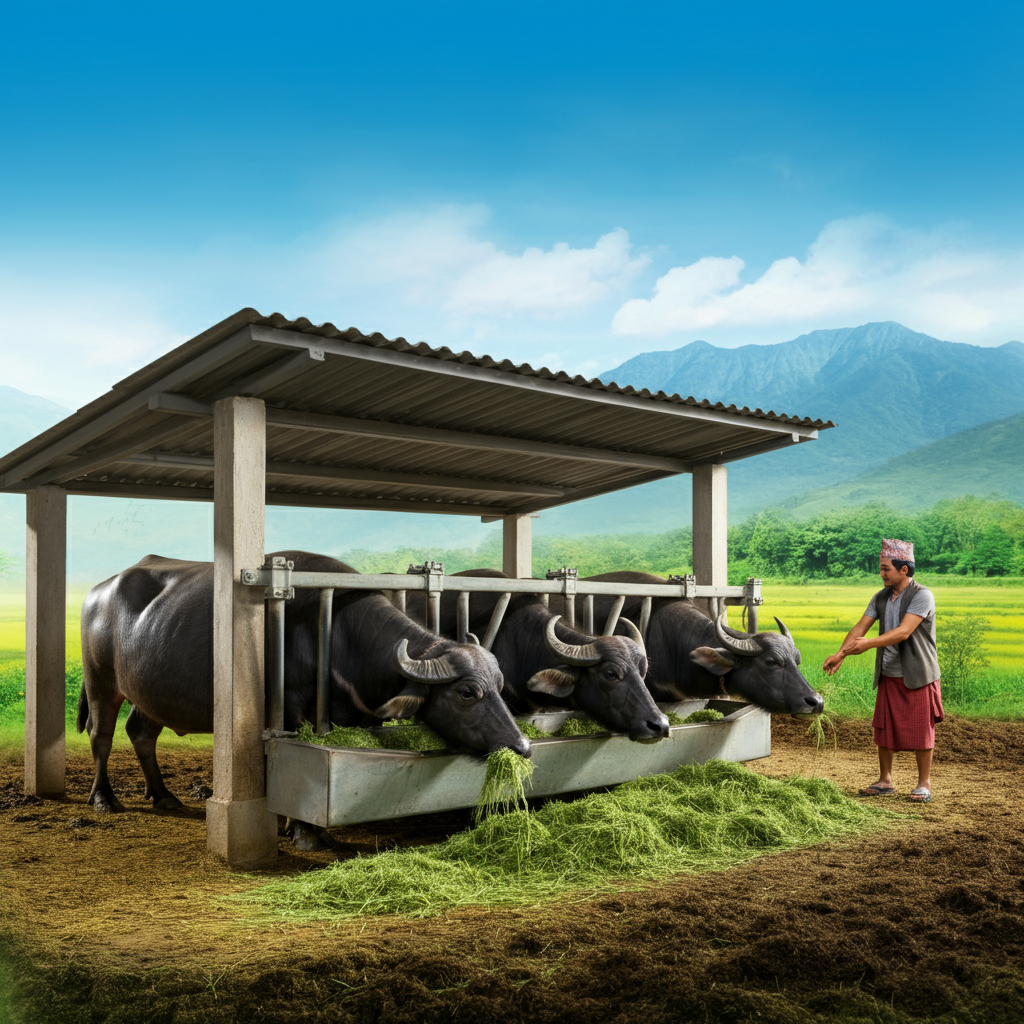
The buffalo is more than just an animal in Nepal; it is a vital part of the nation’s agricultural backbone, a source of livelihood for millions, and a cornerstone of the rural economy. For farmers, choosing the right buffalo breed is one of the most critical decisions. This choice directly influences farm productivity, profitability, and long-term sustainability. From the fertile plains of the Terai to the rugged mid-hills, these powerful animals are woven into the fabric of daily life.
This guide provides a detailed, research-backed look at the common buffalo breeds in Nepal, helping you make an informed choice that best suits your farm’s goals. We will explore the unique characteristics of breeds like Murrah, Lime, and Parkote. By understanding their specific traits, adaptability, and economic contributions, you can optimize your livestock investment.
The Role of Buffalo in Nepal’s Economy and Culture
Before diving into specific breeds, it’s important to appreciate the multifaceted role buffaloes play. They are often called the “black gold” of Nepal for good reason. Economically, they are the primary source of milk, contributing over 70% of the country’s total milk production. Buffalo milk, with its high-fat content, is preferred for making traditional dairy products like ghee, paneer, and curd (dahi).
Beyond dairy, buffalo meat, locally known as “buff,” is the most widely consumed meat in the country, making livestock a key component of national food security. Their manure also serves as a valuable organic fertilizer, enriching soil and reducing the need for chemical inputs. Culturally, buffaloes hold a special place in religious ceremonies and festivals, symbolizing prosperity and strength.
A Comparative Look at Nepal’s Top Buffalo Breeds
Selecting the right breed requires balancing climate, terrain, feeding resources, and production goals. Let’s explore the key breeds that Nepali farmers rely on, comparing them across critical factors.
The Murrah is arguably the most famous dairy buffalo breed and has found a second home in Nepal’s commercial farming sector.
Origin & Key Traits: Originating from Haryana, India, the Murrah is recognized by its deep black color, short, tightly curled horns, and robust build. They are known for a calm temperament, making them relatively easy to manage in stall-fed systems.
Milk Production: This is where the Murrah excels. A well-managed Murrah can produce an average of 8-16 liters of milk per day. The lactation period is also long, often lasting around 300 days.
Temperature Adaptability: Murrahs thrive in warmer climates and are well-suited to the Terai plains. They are sensitive to extreme cold and require well-built shelters to protect them from harsh weather, making them less suitable for the high hills.
Input Costs & Challenges: This breed requires high-input management. Costs for high-quality fodder, concentrates, and veterinary care are significant. They are also more susceptible to certain diseases if not managed under hygienic conditions.
Market Demand: The demand for Murrah milk is consistently high in urban and semi-urban areas. Commercial dairies and milk cooperatives prefer this breed for its high volume and consistent output.
Best For: Commercial dairy farmers in the Terai and valleys who are focused on maximizing milk volume and have the resources for intensive feeding and management.
2. Lime: The Hardy Indigenous Hill Dweller
The Lime is an indigenous breed, perfectly sculpted by generations of adaptation to Nepal’s challenging mid-hills.
Origin & Key Traits: Indigenous to Nepal’s western and central mid-hills, Lime buffaloes are smaller and lighter than Murrahs. They have long, crescent-shaped horns and a brownish to light black coat. Their most valuable trait is their hardiness.
Milk Production: Their milk yield is modest, typically ranging from 2-4 liters per day. However, their milk is known for its high-fat content, which is excellent for household ghee and curd production.
Temperature Adaptability: The Lime is an expert navigator of steep terrains and is highly resilient to the fluctuating temperatures of the mid-hills. They can tolerate both cooler weather and warmer summer months with minimal stress.
Input Costs & Challenges: This is a low-input, low-risk breed. They thrive on low-quality forage and natural grazing, significantly reducing feed costs. The main challenge is their low milk volume, which makes them unsuitable for commercial dairy operations.
Market Demand: The market for Lime buffaloes is primarily local. They are valued by subsistence farmers for their multipurpose use (milk, manure, draft) rather than for commercial sale.
Best For: Subsistence farmers in the mid-hills who need a multipurpose animal and have limited access to high-quality feed.
Similar to the Lime, the Parkote is another indigenous breed that demonstrates incredible resilience and adaptability.
Origin & Key Traits: Native to the mid-hills, the Parkote is characterized by its light grey to whitish coat, especially on the legs and face. They are medium-sized and well-built for hilly environments.
Milk Production: Their milk production is comparable to the Lime breed, providing a steady but low volume of milk suitable for household consumption.
Temperature Adaptability: Like the Lime, the Parkote is highly adapted to the mid-hill environment. Its strong constitution makes it resistant to many local diseases and climatic fluctuations.
Input Costs & Challenges: This is another low-investment animal that integrates well into a traditional, low-input farming system. Their primary value lies in their resilience, not high productivity.
Market Demand: Demand is localized within rural and semi-rural communities. Farmers often raise them for their own needs, with surplus animals or products sold at local markets.
Best For: Farmers in the mid-hills looking for a low-maintenance, resilient animal for a traditional farming system.
How to Choose the Right Buffalo Breed for Your Farm
The “best” buffalo breed does not exist in a vacuum; it depends entirely on your context. Here’s a simple guide to help you decide:
For Commercial Dairy in the Plains: If your goal is high milk volume and you have access to good feed, the Murrah is your top choice. They are the engine of commercial milk production in Nepal.
For Traditional Farming in the Mid-Hills: If you live in a hilly area with limited resources, the indigenous Lime or Parkote breeds are ideal. They are resilient, low-maintenance, and provide a sustainable source of milk and manure.
Considering Crossbreeding: Many farmers are now crossbreeding Murrahs with local breeds like the Lime. This strategy aims to create a hybrid animal that combines the higher milk yield of the Murrah with the hardiness and disease resistance of the local breed. This could be a viable path for farmers looking to boost income without fully committing to high-input farming.
Conclusion: Investing in the Future of Nepali Agriculture
Buffaloes are more than livestock; they are partners in prosperity for Nepali farmers. By understanding the unique strengths and needs of each breed—from the high-producing Murrah to the hardy Lime—you can make strategic decisions that enhance your productivity and secure your livelihood. Whether you are scaling a commercial dairy or sustaining a family farm in the hills, selecting the right “black gold” is the first step toward a more prosperous future.
What has been your experience with these buffalo breeds? Share your successes and challenges in the comments below to help fellow farmers!