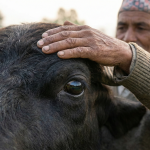
Agriculture is more than an industry in Nepal; it is the foundation of national life. It supports the livelihoods of over two-thirds of the population and drives the rural economy. Despite its importance, farmers across the country face major challenges. These include climate change, a lack of modern tools, limited training, and difficulty accessing profitable markets.
The key to unlocking Nepal’s agricultural potential lies in knowledge and collaboration. This guide explains the importance of agriculture training in Nepal, the growth of cooperatives, and how the next generation of farmers can transform the sector. We will cover government programs, NGO-led agriculture projects, climate-smart farming, and the essential skills needed to succeed. Whether you are a farmer trying to improve productivity or an organization planning an agriculture project in Nepal, this guide provides a complete overview.
Agriculture is the backbone of Nepal. The country’s diverse geography supports a wide range of farming activities, from the Terai plains to the Himalayan highlands. However, traditional methods alone are not enough to meet growing food demand or handle environmental changes. Many farmers work on small plots and follow the same practices used for generations, which can result in low production and income.
Nepali farmers consistently face a set of difficult obstacles. The major challenges include:
Modern farmer training in Nepal is essential to solve these problems. Effective programs introduce improved technologies, sustainable methods, and basic business skills. Equipping farmers with this knowledge increases production, strengthens national food security, and improves rural livelihoods. Finding a high-quality farmer training is needed for Nepal PDF or an in-person workshop can be a transformative first step.
Individual effort has its limits. In Nepal, the true engine of agricultural growth is the cooperative model. An agriculture cooperative allows farmers to work together, reduce costs, and gain collective bargaining power in the market.
A cooperative empowers farmers by allowing them to pool resources, share knowledge, and sell their products more effectively. Members collaborate to buy materials in bulk, access financing, and build a strong community support system. This collective approach gives farmers better income stability and a pathway to long-term growth.
Key benefits include:
Nepal has a strong network of cooperatives making a significant impact.
The Nepal Agriculture Cooperative Central Federation Limited (NACCFL) is a national apex body that supports agricultural cooperatives across the country. It provides crucial training, policy guidance, and technical support to its members, playing a central role in modernizing the sector.
The Small Farmer Agriculture Co-operative Ltd model is designed specifically to help small-scale farmers. By offering micro-loans, savings programs, and practical agricultural training, these cooperatives empower even the most resource-poor farmers to invest in their land and secure their financial future.
Farmer training in Nepal is available through multiple sources, each offering programs to meet different needs.
Government programs under the Ministry of Agriculture and Livestock Development provide foundational training on crop production, livestock care, and irrigation. Farmers can get started by visiting their nearest Agriculture Knowledge Center.
At the same time, many non-governmental organizations are driving innovation on the ground. An agriculture NGO in Nepal often runs specialized programs on permaculture, sustainable farming, and climate-smart agriculture.
Digital tools are becoming increasingly important in agriculture. Farmers across Nepal now use mobile apps for weather forecasts, pest identification, real-time market prices, and online training modules. These tools improve decision-making, reduce risks, and connect farmers to a wider network of information.
The role of a farmer is more critical than ever. As cities grow, the demand for skilled farmers who can produce food sustainably and efficiently increases. The modern farmer in Nepal must blend traditional knowledge with new technology, including mobile apps, improved irrigation systems, and digital marketplaces.
Success in today’s agricultural landscape requires a diverse skill set. The most important subjects for a farmer to master include:
Farming in Nepal is not one-size-fits-all. The country practices a mix of methods suited to its varied geography.
The agriculture transformation project in Nepal is a national effort to modernize farming. These initiatives focus on improving infrastructure, strengthening supply chains, and promoting the use of digital tools. A modern Nepal agriculture company can support this vision by providing technology, advisory services, and innovative farming solutions.
For Farmers:
For Organizations:
Nepal’s agricultural future depends on training, modernization, and the strength of its cooperatives. By empowering farmers with knowledge and creating opportunities for collaboration, Nepal can build a more productive, resilient, and sustainable agricultural system. With support from the government, NGOs, and the cooperative movement, farmers can improve their skills, raise their income, and contribute to a prosperous and food-secure Nepal.
1. How can I find agricultural cooperatives in Nepal?
You can start by contacting the Nepal Agriculture Cooperative Central Federation Limited (NACCFL) or visiting your local Agriculture Knowledge Center for a list of cooperatives in your area.
2. Are online agriculture training courses available for Nepali farmers?
Yes, several NGOs, universities, and online platforms provide courses on modern farming, permaculture, agribusiness, and other relevant topics.
3. What is the main goal of the agriculture transformation project in Nepal?
Its primary goal is to increase agricultural productivity, profitability, and competitiveness through modernization, commercialization, and infrastructure improvement.
4. What subject is best for a farmer to study?
A strong foundation includes agronomy (soil/crop science), business management, horticulture, animal husbandry, and agricultural technology.
5. Why is farming so important for Nepal’s economy?
It employs more than 65 percent of the population, contributes significantly to the national GDP, and ensures national food security.
6. What do agriculture NGOs do in Nepal?
They often work directly with rural communities to provide specialized training, introduce sustainable technologies, and help farmers access better markets.
7. Is there a need for farmers in the future?
Yes, skilled farmers are essential for sustainable food production as the global population continues to grow and consumer demand evolves.
8. What are the benefits of joining a Small Farmer Agriculture Co-operative?
Key benefits include access to micro-credit, savings programs, lower costs for inputs through bulk purchasing, valuable training, and shared marketing opportunities.
9. Where can I find a “farmer training Nepal PDF”?
You can find research papers, reports, and training materials on academic sites like ResearchGate, as well as on the official websites of the UNDP Nepal, Helvetas Nepal, and Nepal’s Ministry of Agriculture.
10. What is the difference between commercial and subsistence farming?
Commercial farming focuses on producing a surplus for sale and profit, while subsistence farming focuses on producing enough food to meet the direct needs of the farmer’s family.