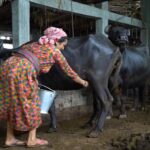
For farmers in Nepal, choosing the right dairy animal is a decision that shapes their livelihood. While both cows and buffaloes are staples of the nation’s agricultural landscape, they offer vastly different benefits and require distinct approaches to care. This choice goes beyond simple milk production; it involves cultural traditions, economic realities, and environmental considerations.
In Nepal, the cow is revered as a sacred animal, a symbol of wealth and purity, and its slaughter is legally prohibited. The buffalo, or “pani bango,” holds a more utilitarian role, valued for its rich milk and as a primary source of meat. Understanding the unique characteristics of each animal is crucial for making an informed decision that aligns with your farm’s goals and resources.
This guide explores the key differences between raising cows and buffaloes for dairy in Nepal. We will compare their milk, analyze the costs, and examine their cultural significance to help you determine which animal is the best fit for your agricultural venture.
Culture and tradition play a significant role in Nepali agriculture. The cow holds a protected and sacred status within Hinduism, the country’s predominant religion. Regarded as a maternal figure and a symbol of life, the cow is worshiped during festivals like Tihar. This religious reverence means they are raised exclusively for milk and dung, and never for meat.
Buffaloes, on the other hand, are central to the nation’s diet and economy. Buffalo meat, known as “buff,” is a widely consumed protein source, making the animal a dual-purpose investment for farmers. This practical role means that while buffaloes are valued, they do not share the same sacred status as cows, allowing for a more commercial approach to their lifecycle. This fundamental difference influences everything from market demand to end-of-life management for the animals.
When it comes to milk, the differences between cow and buffalo milk are significant in terms of quantity, composition, and economic value.
Understanding the financial differences between cows and buffaloes is crucial before making your investment. Below, we’ve compiled research findings and average market parameters for dairy farming in Nepal.
| Parameter | Cow | Buffalo |
|---|---|---|
| Milk Yield (liters/day) | 15–25 (breed dependent) | 7–15 |
| Milk Fat Content (%) | 3–4% | 7–8% |
| Average Market Price (NPR/liter) | NPR 60–75 | NPR 80–110 |
| Main Products | Fresh milk, tea, yogurt | Ghee, paneer, khuwa, dahi |
| Market Demand | Strong for daily consumption | High for processed products |
| Allowed Meat Sales | No (banned) | Yes (accepted) |
| Cost/Parameter | Cow (per animal, monthly) | Buffalo (per animal, monthly) |
|---|---|---|
| Feed/Fodder Cost | NPR 3,500–5,000 | NPR 2,500–4,000 |
| Veterinary/Medicine | NPR 500–1,000 | NPR 300–700 |
| Housing & Care | NPR 500–800 | NPR 400–700 |
| Initial Purchase Price | NPR 90,000–150,000 | NPR 100,000–160,000 |
| End-of-life Market Value | None (not sold for meat) | NPR 70,000–100,000 |
| Average Lifespan | 10–14 years | 12–18 years |

These tables and visualizations can guide your investment and management decisions for a more profitable and culturally sensitive dairy enterprise.
The decision between raising a cow or a buffalo depends entirely on your specific goals, resources, and location.
Choose a cow if:
Choose a buffalo if:
Both cows and buffaloes are integral to Nepal’s agricultural economy. The sacred cow provides nourishment and embodies deep cultural values, while the robust buffalo offers economic resilience through its rich milk and valuable meat. By carefully weighing the factors of milk production, maintenance costs, and market opportunities, Nepali farmers can make a strategic choice that secures their financial future while honoring cultural traditions.
Dairy farm is built on smart decisions. Whether you choose the high-volume cow or the high-value buffalo, understanding their unique strengths will help you cultivate a prosperous and sustainable enterprise.