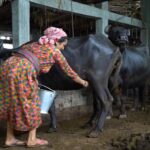
Foot and mouth disease (FMD) is one of the most contagious diseases that affect livestock. The virus responsible for FMD spreads rapidly between animals with cloven hooves, including cattle, sheep, goats and pigs. Although adult cattle often survive the infection, the disease causes severe pain, reduced milk yield and long‑lasting consequences for productivity. Understanding the symptoms and acting swiftly when they appear is crucial for farmers, veterinarians and the broader agricultural community.
| Key Insight | Explanation |
|---|---|
| FMD is highly contagious | The virus spreads quickly between cloven‑hoofed animals through direct contact and contaminated materials. |
| Hallmark signs | Sudden fever and blister‑like sores on the tongue, lips, mouth and hooves are classic symptoms. |
| Drooling and lameness | Painful mouth sores cause excessive salivation and drooling; foot lesions make animals reluctant to move. |
| Rarely fatal in adults | Adult cattle usually recover, but the disease can be fatal in young calves and reduces productivity. |
| Laboratory confirmation needed | FMD symptoms resemble other diseases; only lab tests can confirm the virus. |
FMD is caused by an RNA virus with seven main serotypes and numerous subtypes. Immunity to one type does not protect against others, which complicates vaccination strategies. After a susceptible animal encounters the virus, clinical signs usually appear within two to fourteen days. The virus survives in saliva, milk, urine and other excretions, and it can persist on equipment, clothing and vehicles. Under favourable conditions it can travel several miles in aerosolised droplets.
Because FMD is so contagious, many countries enforce strict controls on animal movement and imports. Nepal remains vigilant, especially because its borders adjoin regions where FMD is endemic. The disease does not pose a food‑safety threat to humans, but its economic impact on farmers and national trade is profound. Dairy farmers suffer from reduced milk yields and meat producers see weight loss and slower growth. Prompt recognition and reporting are therefore essential to protect livelihoods.
Recognising FMD early helps limit its spread. Farmers should watch for the following signs:
| Symptom | Description | Response |
|---|---|---|
| Fever | A sudden increase in body temperature for two or three days. | Monitor temperatures; isolate animals with fever from the rest of the herd. |
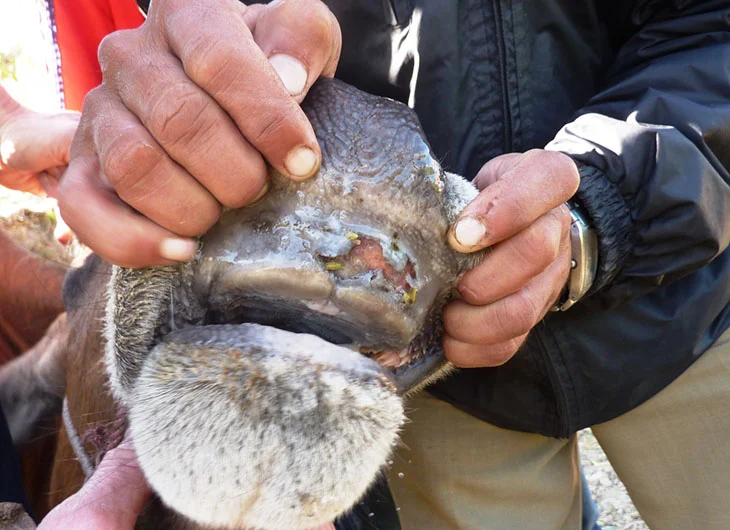
| Blisters (vesicles) | Fluid‑filled blisters develop on the tongue, lips, inside the mouth, around the teats and on the hooves; they rupture quickly, leaving raw erosions. | Contact a veterinarian; laboratory tests are needed to confirm FMD. |
| Drooling and excessive salivation | Mouth ulcers produce sticky, foamy and stringy saliva. | Provide soft feed and water; avoid moving animals to prevent spread. |
| Loss of appetite | Painful mouth sores make eating difficult. | Offer easily digestible feed and monitor for weight loss. |
| Lameness and reluctance to move | Foot blisters cause tenderness; cattle may slobber, smack their lips, shiver and be unwilling to stand or walk. | Keep animals on soft bedding and minimise stress and movement. |
| Reduced milk production | Dairy cows show a sudden drop in milk yield. | Separate affected cows and notify milk buyers of a possible disease issue. |
| Abortions and weak calves | Pregnant cows may abort; newborns can suffer heart problems and die. | Seek veterinary assistance immediately and enforce strict biosecurity to protect young stock. |
The severity of signs differs between species. Cattle and pigs often show severe symptoms, while sheep and goats may experience only mild illness. Even animals that appear healthy can shed virus and should be treated with caution.
Several factors influence how quickly FMD spreads:
Farmers should control access to their farms, provide disinfectant footbaths and enforce a “clean in, clean out” policy for all vehicles and equipment.
FMD occurs in many parts of Asia, Africa and the Middle East, and sporadic outbreaks have occurred in Europe. Nepal’s livestock sector remains at risk because of cross‑border trade and the movement of wildlife. The table below summarises the general status by broad region (actual data may vary):
| Region | Recent FMD status | Notes |
|---|---|---|
| Northern India & Nepal border | Endemic; periodic outbreaks | Strong biosecurity measures are essential. |
| South‑East Asia | Frequent outbreaks, especially in Vietnam, Myanmar and Laos | Vaccination programmes are critical. |
| Middle East & North Africa | Sporadic outbreaks | Control efforts focus on stamping out. |
| Europe | Occasional outbreaks (e.g., Cyprus 2025) | Strict import controls and stamping‑out policies are enforced. |
| North America & Oceania | FMD‑free since the early 20th century | Rigorous quarantine and surveillance. |
FMD is a notifiable disease. When an outbreak is suspected, authorities may impose movement restrictions, conduct depopulation (“stamping out”) and deploy vaccination to prevent further spread. The U.S. Department of Agriculture’s Animal and Plant Health Inspection Service monitors global FMD events and works to prevent re‑introduction.
Farmers must know local reporting procedures. In Nepal, any suspicion of FMD should be reported to the District Veterinary Hospital or agriculture extension office. Government compensation schemes may offer partial reimbursement for culled animals, but policies vary. Some regions subsidise up to 80 % of livestock insurance premiums, encouraging farmers to insure their herds. If specific data on compensation programmes are unavailable, note that current data are unavailable and urge farmers to enquire locally.
An FMD outbreak creates significant financial stress. Losses include reduced milk income, decreased meat production and potential culling costs. Governments often support farmers through biosecurity grants and subsidised vaccination programmes. In Nepal, livestock insurance can provide a safety net, and some programmes offer premium subsidies. Farmers should consult local authorities to learn about available support. When no official data exist, state that current data are unavailable and highlight that market estimates suggest a range of support depending on region and policy.
What is foot and mouth disease (FMD)?
FMD is a viral disease affecting cloven‑hoofed animals. It causes fever and blister‑like sores on the mouth and feet.
How do I recognise FMD in cattle?
Look for a sudden fever, blisters or sores in the mouth and on the hooves, drooling, difficulty eating, lameness and a drop in milk production.
How does FMD spread?
The virus spreads through direct contact between infected and susceptible animals, and indirectly via saliva, milk, manure, aerosolised droplets and contaminated equipment.
Is foot and mouth disease deadly to cattle?
The disease is rarely fatal in adult cattle but can be deadly in young calves. It causes severe pain, reduces productivity and may leave animals permanently lame.
What should farmers do if they suspect FMD?
Isolate the affected animals immediately, contact a veterinarian or animal health authority and avoid moving animals or equipment off the farm. Only a laboratory test can confirm the disease.
Foot and mouth disease remains one of the most significant threats to livestock health and farm economies. It spreads quickly, causes serious pain and reduces productivity. Farmers who understand the signs fever, blisters, drooling, loss of appetite, lameness and low milk yield can act quickly to isolate animals and notify authorities. Good biosecurity practices, such as controlling farm access and disinfecting equipment, are crucial. Early reporting and cooperation with veterinarians and government agencies help protect herds and sustain the agricultural economy.