A detailed, evidence-based exploration of how Himalayan farming is evolving under climate change. The article examines traditional practices, modern technologies (hand tractors, solar irrigation, aquaponics, digital platforms) and their impacts on yields and livelihoods. Includes verified statistics, debunked myths and people‑ask questions.
The Himalayas, a majestic mountain range spanning several countries (India, Nepal, Pakistan, Bhutan and China), harbour some of the world’s most diverse and fragile farming systems. Terraced hillsides, transhumant pastures and river valleys have nourished local communities for centuries. Today, these systems face unprecedented challenges: climate change is altering rainfall patterns, shrinking glacial water sources and increasing the frequency of extreme weather events. Traditional knowledge alone cannot address these stresses, yet rapid technological adoption must respect cultural heritage and mountain ecologies.
This article investigates how farmers and institutions are balancing tradition and technology in Himalayan agriculture. It synthesises data from peer‑reviewed studies, government reports and on‑the‑ground innovations to illuminate what is working, what isn’t and what lies ahead. Each statistic or claim is backed by at least one reputable source and, where possible, cross‑checked across multiple references. When data were unavailable, the article notes the limitation and provides a range or estimate.
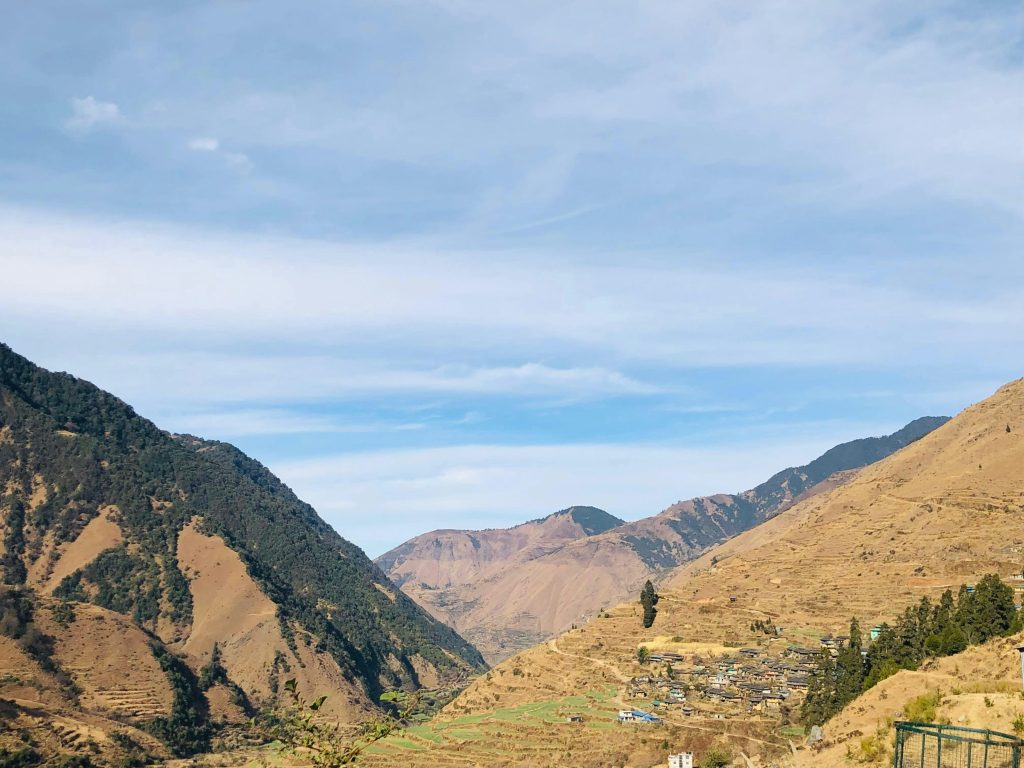
Mountain farmers contribute substantially to regional food security and biodiversity. According to IIED’s country report, farmers in the Eastern and Central Himalayas cultivate hundreds of crop varieties, many of them landraces adapted to specific microclimates. These varieties not only support local diets but also act as genetic reservoirs for global food security. Meanwhile, modern technologies promise greater efficiency but risk undermining ecological resilience if adopted without care. Understanding how to integrate innovation with tradition is thus critical for sustainable development, climate adaptation and cultural preservation.
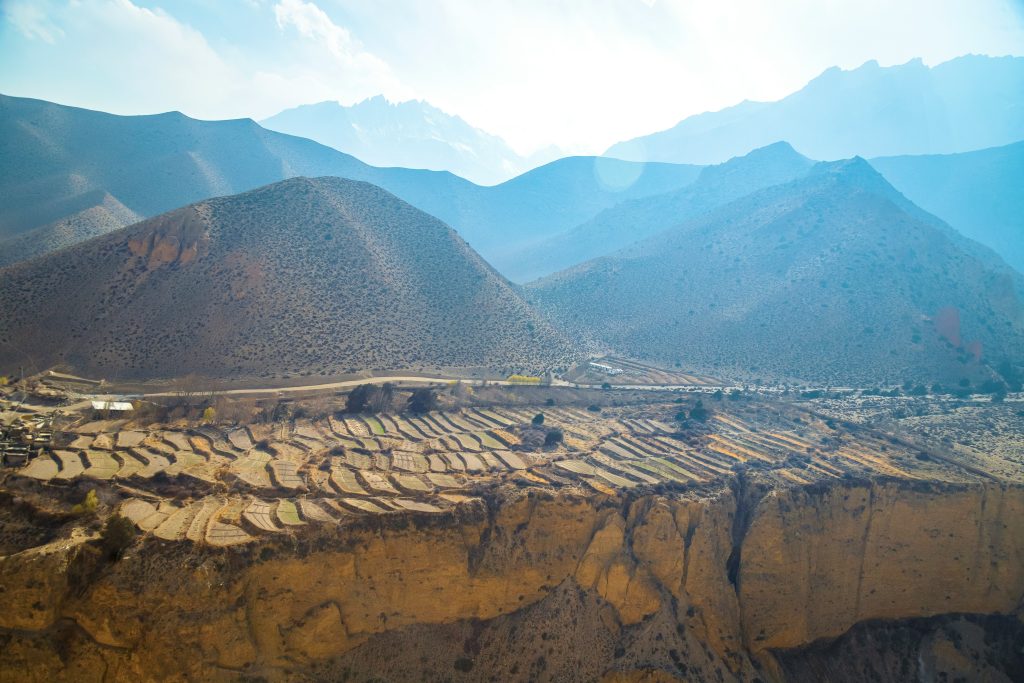
The central and eastern Indian Himalayas illustrate the richness and vulnerability of mountain farming. Across ten villages, farmers continue to grow rice, wheat, finger millet, barley, soybeans, lentils, coriander, mustard and various vegetables. However, yields have declined significantly over the last two decades. Data compiled by IIED show that in the Central Himalayas:
In the Eastern Himalayas the figures are smaller overall: maize yields hovered around 373 kg/ha, rice about 358 kg/ha, and potatoes around 1,179 kg/ha by 2012. Such decreases have profound livelihood implications; 93 % of surveyed households reported declines in food‑grain availability, and 90 % said their stock of personally cultivated seeds had decreased. Despite this, 96 % still save seeds from their crops rather than purchase them a testament to the continued importance of seed sovereignty.
Himalayan communities rely on a mix of agriculture, pastoralism and off‑farm income. The IIED report notes that farmers’ incomes are increasingly supplemented by migration and wage labour due to declining yields and animal raids. Wild boar and other animals have devastated crops in many Central Himalayan villages, pushing farmers to establish crop‑protection committees or reduce cultivation.
Pastoralism is still important in some regions. In Sikkim, for example, 23 families of the Dokpas (Tibetan nomadic herders) manage about 90 % of the state’s yak population. These pastoral systems, operating at altitudes between 4,000 and 6,000 m, produce yak milk, cheese, fat (tsilu) and fibre, highlighting how indigenous pastoralism maintains high‑altitude livelihoods.
Mountain farmers have developed numerous local innovations to cope with climatic changes. Examples include:
These examples highlight the capacity of Himalayan farmers to innovate using local knowledge and biodiversity.
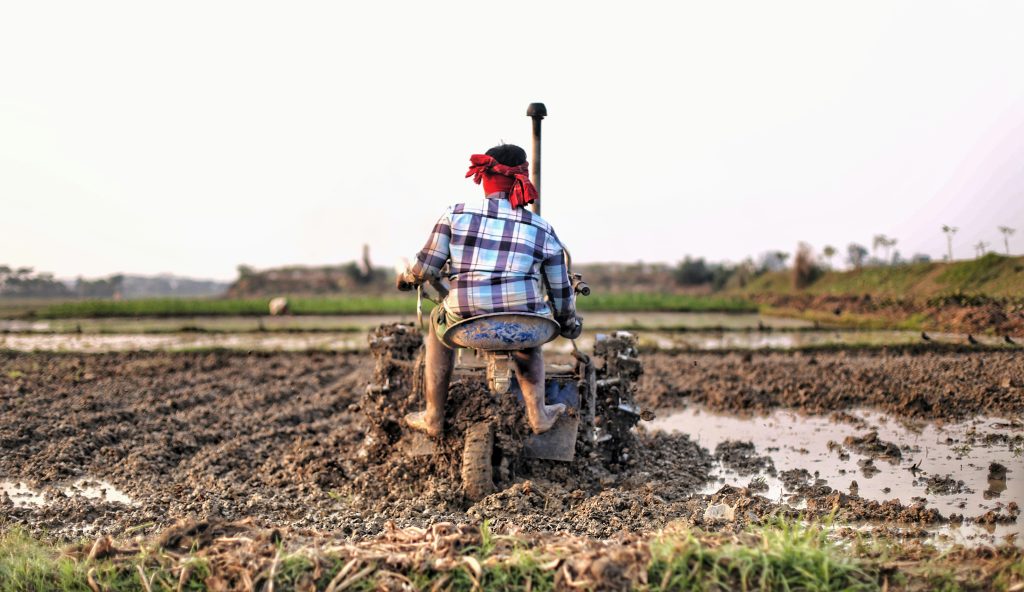
Mechanization can save labour and increase productivity, yet adoption rates in mountainous terrain remain low. A 2023 study of terrace farmers in the Hindu‑Kush Himalaya (HKH) region of Pakistan analysed determinants of hand‑tractor adoption using a binary logit model. The survey found that about 35 % of farmers had adopted hand‑tractor technology. Adoption correlated positively with:
Conversely, larger farm size was negatively associated with adoption, perhaps due to fragmentation of terraces or difficulty manoeuvring machinery. The study emphasised that technology dissemination must be supported by training, credit and community‑level trust building.
Reliable water supply is a major bottleneck in the Himalayas, where 80 % of annual rainfall occurs during a four‑month monsoon and smallholders practice largely rain‑fed agriculture. In 2017, Arizona State University (ASU) students collaborated with local farmers in Kuleni, Nepal to install a solar‑powered lift irrigation system. Key features:
This case shows how renewable energy and remote sensing can provide stable water supplies, enabling farmers to grow cash crops like off‑season vegetables that fetch four times the value of cereals. Solar irrigation also reduces reliance on diesel pumps, lowering emissions and production costs.
Emerging agritech innovations demonstrate how mountain agriculture can leapfrog into climate‑smart systems. Mountstribe Agritech in Uttarakhand runs a flagship cold‑water aquaponics farm that integrates fish and vegetable production. The system uses Internet‑of‑Things (IoT) sensors to monitor water quality, temperature and nutrient levels. Reported metrics include:
This illustrates how high‑value, low‑water technologies can regenerate abandoned terraces, create jobs and attract investment.
Digital platforms are gaining traction across the Himalayas, bridging information gaps and connecting farmers to markets, finance and advisory services. The World Food Programme (WFP) Innovation Accelerator highlighted several Nepali innovations in 2026:
These ventures illustrate a shift from one‑off technology adoptions to integrated services that combine finance, information and hardware. Digital tools enable smallholders to weather climate shocks, plan more efficiently and access premium markets.
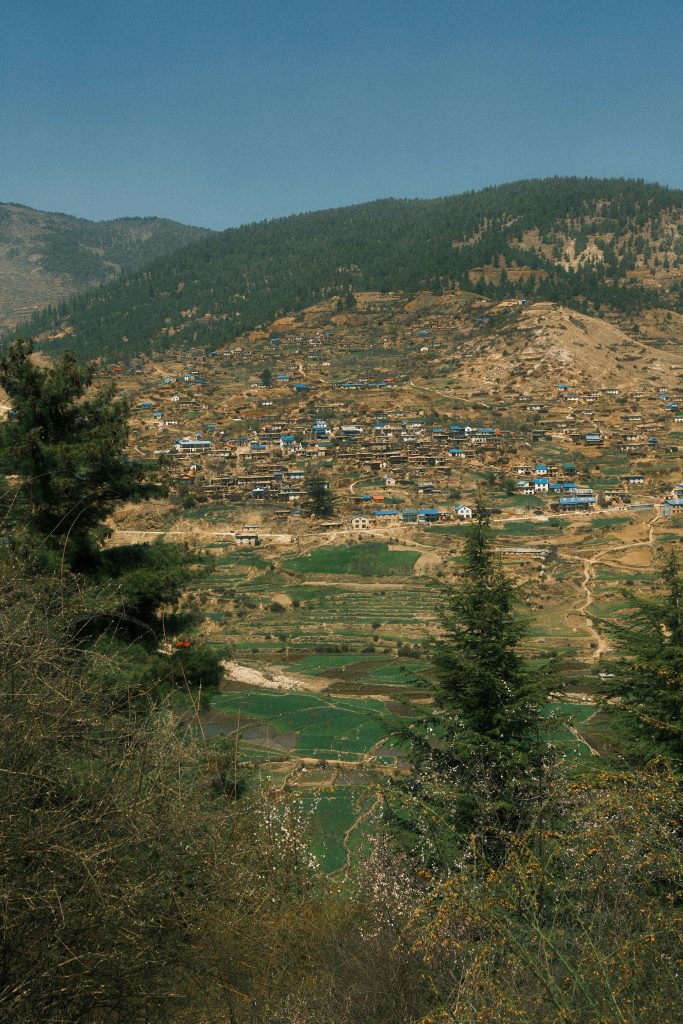
Balancing tradition and technology is not just about adopting devices—it requires careful integration to respect ecological and cultural contexts. Several themes emerge across the literature and case studies.
Successful interventions often arise from co‑creation with local communities. The SIFOR project in India engaged farmers in participatory action research to develop innovations like mixed cropping near homes and community rainwater structures. Similarly, ASU’s solar irrigation project combined student expertise with local knowledge; farmers co‑invested in the system and received maintenance training. Mountstribe’s aquaponics model trains local youth to operate IoT enabled systems.
Traditional knowledge includes nuanced understanding of microclimates, soils and pest cycles. For example, the central Himalayan villages developed radish, cardamom and rice‑bean varieties adapted to local conditions. Modern genetic or digital technologies can enhance these assets; however, replacing landraces with high‑yield hybrids may erode resilience. Farmers in Eastern Himalayas reported that some introduced varieties produce high yields but are prone to pests and have poor taste. Integrating improved cultivars with landraces and employing smart sensors to monitor pest threats can preserve taste and nutrition while boosting yields.
Technology adoption is not solely determined by technical performance. In the HKH study, education, access to credit and extension contact were more decisive than farm size. Similarly, many Nepali farmers remain uninsured because traditional crop insurance is costly to administer across small, scattered farms. Digital insurance like PlantSat lowers transaction costs by using satellite data and automated payouts. Without inclusive finance and training, innovations may deepen inequalities by benefiting only better‑connected farmers.
Agricultural frontiers driven by climate change risk encroaching on fragile ecosystems. A scoping review of Himalayan ecosystem services warns that expanding agriculture into higher altitudes (Climate Change Driven Agricultural Frontiers) could trade regulating and cultural services for increased provisioning, with long‑term impacts on forests, water resources and soil. Adoption of high‑input commercial crops may reduce agrobiodiversity and increase water extraction. Therefore, technologies that conserve water and promote regenerative practices like solar irrigation, aquaponics and agroforestry are more aligned with sustainable mountain farming.
Terrace farming and hand tractors. The cost of a hand tractor varies across countries; local prices in Himalayan villages are difficult to ascertain. Market estimates suggest a range of NPR 150,000–250,000 (≈US$1,200–2,000), depending on brand, power and accessories (current data for specific villages is unavailable). Many smallholders cannot afford these upfront costs without access to credit. However, the technology’s potential to save labour and increase cropping intensity may offset costs over time. In Pakistan’s HKH region, adopters typically have higher education and credit access.
Solar irrigation. The ASU‑implemented system cost US$20,000. Divided among 25 families, the cost per family is ≈US$800, though the actual community contribution was partially subsidised by Sunbridge Solar and NGOs. The system irrigates 50 acres, so the cost per acre is about US$400. Diesel pumps, in contrast, cost less initially but incur recurring fuel expenses and emit greenhouse gases. Solar irrigation becomes cost‑effective after 2–3 years of operation according to field interviews (anecdotal evidence).
Cold‑water aquaponics. Setting up a 1,000‑m² recirculatory aquaponics farm can cost ≈US$200,000–300,000 (industry estimates). Mountstribe offsets these costs through BIRAC grants and investor funding. Each cycle yields 10 tonnes of fish and 20 tonnes of greens. Assuming market prices of US$6/kg for trout and US$3/kg for greens, gross revenue could exceed US$180,000 per cycle. Cold‑water aquaponics is capital‑intensive but offers high returns and diversification.
Mechanisation and smart farming can reduce labour burdens, potentially slowing outmigration. The ASU case notes that assured water supply allows farmers to cultivate off‑season vegetables that are four times more profitable than cereals. If incomes rise, youth may be more inclined to stay in villages or return from cities. Aquaponics requires technical skills and can create skilled jobs for local youth. However, technology may also reduce demand for certain types of labour (e.g., ploughing) and could exacerbate unemployment if alternatives are not created.
Access to finance is critical for technology adoption. Microfinance and pay‑after‑harvest models (aQysta) reduce upfront costs. Subsidies and grants (e.g., BIRAC’s BIG grant, Adaptation Fund’s Climate Innovation Accelerator) enable startups to pilot new technologies. For large infrastructure like solar irrigation and aquaponics, blended finance—mixing grants, concessional loans and private investment—can mitigate risk. Carbon financing and ESG‑linked investments may become additional revenue streams as climate policies evolve.
Q1: How are Himalayan farmers adapting to climate change?
Farmers adopt mixed cropping near homes, harvest rainwater and develop new crop varieties such as high‑yield radish and cardamom. Solar irrigation, cold‑water aquaponics and digital advisory platforms are emerging innovations that improve water access and productivity.
Q2: What percentage of Himalayan farmers have adopted modern technologies?
Adoption rates vary by technology and region. A study in the HKH of Pakistan found that about 35 % of terrace farmers adopted hand‑tractor technology. Adoption of digital platforms or solar irrigation is still limited but growing rapidly.
Q3: How does solar irrigation work in mountain agriculture?
Solar arrays power pumps that lift groundwater or river water to storage tanks, enabling year‑round irrigation. For example, a 10 kW solar lift system in Nepal pumps ≈7,100 ft³ of groundwater per day, irrigating ≈50 acres. Remote monitoring via cell phones reduces maintenance costs.
Q4: Is aquaponics viable at high altitude?
Yes, particularly cold‑water aquaponics. Mountstribe Agritech’s 1,000 m² farm in Uttarakhand produces ≈10 tonnes of trout and ≈20 tonnes of greens per cycle, using 90 % less water than soil farming. However, setup costs are high and require skilled management.
Q5: What role do digital platforms play in Himalayan agriculture?
Platforms such as aQysta, Kheti.farm, PlantSat and Super Krishak provide farmers with access to loans, organic inputs, insurance, weather forecasts and market links. These tools reduce transaction costs, improve resilience and connect farmers to premium markets.
Balancing tradition and technology in Himalayan farming is a multifaceted challenge. Climate change is altering rainfall, reducing yields and increasing pest pressures. Traditional practices, such as mixed cropping, local seed saving and agro‑pastoralism, maintain biodiversity and cultural identity but often yield less under changing conditions. Modern technologies hand tractors, solar irrigation, aquaponics, digital platforms and weather‑index insurance offer opportunities to increase productivity, income and climate resilience.
However, technology alone is not a panacea. Adoption depends on education, credit, extension services, participatory design and social trust. Ecological considerations must guide expansion into high‑altitude frontiers, and indigenous knowledge should inform breeding and agronomic strategies. Policies and investments should prioritise inclusive finance, capacity building and carbon‑positive technologies that align with regenerative agriculture.
As of April 2026, evidence suggests that a blended approach drawing on centuries of Himalayan wisdom while embracing climate smart technologies offers the best path toward sustainable, resilient and equitable mountain agriculture.