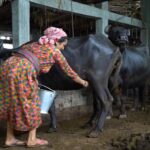
10 Most Common Cattle Diseases in Nepal and Their Prevention
In Nepal, cattle are more than just farm animals they are a lifeline for dairy farmers, providing milk, income, and manure for crops. However, diseases in cattle can quickly threaten both productivity and livelihood. Recognizing early symptoms and understanding the common types of cattle diseases is crucial for every farmer. This guide will help you identify, prevent, and manage cattle illnesses effectively, ensuring healthier herds and better farm returns.
Cattle Diseases: Types, Symptoms & Identification Guide | Krishi Himalaya
Cattle Diseases: Types, Symptoms & Identification Guide
In Nepal, cattle are essential for income, nutrition, and daily livelihood. A single disease can reduce milk production or even cause death if not identified early. Recognizing warning signs is crucial to prevent serious losses.
Farmers often overlook subtle changes in appetite, behavior, or milk quality. This guide provides practical insights to help you identify, prevent, and manage common cattle diseases in Nepal.
What Are Cattle Diseases?
Cattle diseases are caused by infections, parasites, poor nutrition, or environmental stress. They affect:
- Milk production
- Growth and weight gain
- Reproduction and fertility
- Farm income and sustainability
Classification of Cattle Diseases
- Infectious Diseases: Spread between animals (FMD, LSD).
- Parasitic Diseases: Caused by worms, ticks, lice; affect nutrition and growth.
- Nutritional Deficiencies: Lack of minerals, vitamins, or protein.
- Metabolic Disorders: Stress-related (milk fever, ketosis).
- Reproductive Diseases: Affect pregnancy or breeding (Brucellosis).
Major Cattle Diseases and How to Identify Them
Foot and Mouth Disease (FMD)
- Symptoms: Mouth and hoof blisters, excessive salivation, lameness, drop in milk.
- Prevention: Vaccination, avoid mixing new animals.
- Action: Isolate infected animals and consult a veterinarian.
Mastitis
- Symptoms: Swollen udder, abnormal milk (clots, watery), pain.
- Prevention: Clean milking, dry bedding, udder hygiene.
- Action: Early veterinary treatment to avoid milk loss.
Lumpy Skin Disease (LSD)
- Symptoms: Hard skin nodules, fever, appetite loss, reduced milk yield.
- Prevention: Vaccination and insect control.
Black Quarter (BQ)
- Symptoms: Muscle swelling, fever, sudden death.
- Prevention: Annual vaccination.
Brucellosis
- Symptoms: Abortions, weak calves, infertility.
- Prevention: Vaccination, avoid breeding infected animals.
Internal Parasites (Worms)
- Symptoms: Weight loss, diarrhea, lethargy.
- Prevention: Deworming every 3–6 months.
External Parasites (Ticks & Lice)
- Symptoms: Scratching, hair loss, skin irritation.
- Prevention: Regular spraying and cleaning of sheds.
Milk Fever
- Symptoms: Weakness, inability to stand, cold extremities.
- Action: Immediate calcium supplementation under veterinary guidance.
Bloat
- Symptoms: Swollen left abdomen, restlessness, breathing difficulty.
- Action: Emergency gas release and anti-bloat medicines.
Pneumonia
- Symptoms: Coughing, fever, nasal discharge.
- Common in: Calves during winter months.
Nepal-Focused Insights
Seasonal Risks
- Monsoon: FMD, digestive issues, parasites
- Winter: Pneumonia, milk fever
- Summer: Heat stress, ticks
Challenges for Nepalese Farmers
- Limited veterinary access in rural areas
- Low awareness of vaccination schedules
- Poor shed hygiene and overcrowding
- Inadequate herd monitoring
Practical Tips
- Maintain a basic veterinary kit
- Check health of animals before purchase
- Stay in touch with local livestock offices
Cost vs Prevention
| Disease |
Loss Level |
Prevention Cost |
ROI |
| FMD | Very High | Low | Best ROI |
| Mastitis | High | Low | High ROI |
| Parasites | Medium | Very Low | Excellent ROI |
Expert Tips for Farmers
- Observe cattle daily for appetite, movement, and behavior changes
- Keep housing dry, clean, and well-ventilated
- Follow strict vaccination schedules
- Provide mineral-rich feed and clean water
- Isolate sick animals immediately
- Maintain detailed records of health, vaccination, and milk production
Frequently Asked Questions
What are the most common cattle diseases in Nepal?
Foot and Mouth Disease, Mastitis, Lumpy Skin Disease, parasites, and Pneumonia.
How can I identify a sick cow early?
Watch for reduced appetite, unusual behavior, fever, milk changes, swelling, or discharge.
How often should cattle be vaccinated?
Vaccines like FMD are typically given 1–2 times per year depending on local veterinary advice.
Is deworming necessary?
Yes, deworming every 3–6 months prevents growth loss and digestive problems caused by parasites.
Can cattle diseases affect humans?
Some diseases, such as Brucellosis, can spread to humans. Maintain proper hygiene when handling animals or milk.