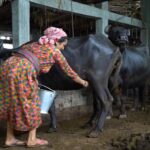
For generations, farmers across the beautiful landscapes of Nepal have trusted a simple, powerful resource to raise strong and healthy livestock: natural grass. This age-old practice of allowing animals to graze on pastures is more than just tradition. It is a smart, sustainable, and economically sound approach to farming. While modern, store-bought supplements promise fast growth and convenience, they often hide significant costs and long-term disadvantages.
Choosing to prioritize natural pasture over manufactured feeds is a decision that benefits your farm in multiple ways. This article will explore why a return to grass-based feeding is a forward-thinking strategy for today’s livestock farmers. We will cover the financial savings, the superior health of your animals, the quality of the products you sell, and the positive impact on our environment. You will also find a direct comparison and ideas to help you visualize these benefits.
One of the most pressing concerns for any farmer is managing costs. When you compare the expense of commercial supplements to the investment in well-managed pasture, the financial benefits of grazing become clear.
Commercial feeds, from pellets to nutrient mixes, are a constant drain on your budget. Their prices can change unexpectedly due to market demand, transportation costs, and supply chain problems. This makes it difficult to plan your farm’s finances. Relying on these products means you are dependent on outside companies for a critical part of your operation.
In contrast, your pasture is a renewable asset that you own and control. While improving and managing your land requires some initial investment and effort, it pays off for years to come. Healthy pasture regenerates itself, providing a consistent and low-cost source of high-quality feed. The money you save on supplements can be reinvested into other important areas of your farm, creating greater financial stability and independence.
The diet of your livestock directly determines their health and the quality of the milk or meat they produce. A natural diet of diverse grasses, herbs, and legumes found in a pasture provides a complete nutritional package that is hard to match with processed feeds.
Animals that graze naturally tend to have stronger immune systems and suffer from fewer digestive issues. The natural fiber and varied nutrients support a healthy gut. For dairy farmers, especially those raising Murrah buffaloes, this has a direct impact. A grass-fed diet is known to produce milk that is richer in beneficial omega-3 fatty acids and has a better flavor. This superior quality can command a premium price in the market, increasing your income. Healthy animals are productive animals, leading to fewer veterinary bills and a more profitable farm.
Sustainable farming is essential for protecting our land for future generations. Grass-based livestock systems are fundamentally more eco-friendly than farming models that rely on industrial feeds.
Healthy pastures play a vital role in environmental health. They act as a “carbon sink,” pulling carbon dioxide from the atmosphere and storing it in the soil. This process, known as carbon sequestration, helps combat climate change. Well-managed grasslands also improve soil structure, which prevents erosion during heavy monsoon rains and helps the land retain moisture during dry seasons. This makes your farm more resilient to a changing climate.
Furthermore, grazing is a practice deeply connected to Nepali culture. By choosing grass, you are not just making a good business decision; you are honoring an agricultural heritage that has sustained our communities for centuries. It’s a system where healthy land supports healthy animals, and healthy animals support thriving families.
To make the differences clear, let’s look at a side-by-side comparison.
| Aspect | Grass-Fed Livestock | Supplement-Fed Livestock |
|---|---|---|
| Cost | Low recurring cost. Initial investment in pasture management provides long-term returns. | High and continuous expense for feed, supplements, and minerals. Vulnerable to market price changes. |
| Animal Health | Stronger immune systems, better digestion, and reduced need for veterinary care. | Higher risk of digestive problems and metabolic disorders. Dependence on formulated feeds. |
| Product Quality | Milk and meat are higher in beneficial nutrients like omega-3s, vitamins, and have a richer flavor. | Nutritional profile of products depends entirely on the quality and formulation of the supplement. |
| Environmental Impact | Sustainable. Improves soil health, captures carbon, and increases biodiversity. | Industrial feed production has a significant carbon footprint and can contribute to deforestation. |
| Farm Resilience | Reduces dependence on external supply chains. Creates a more self-sufficient and stable farm. | Dependent on suppliers for feed, making the farm vulnerable to shortages and price increases. |
| Cultural Value | Honors and preserves traditional Nepali farming practices connected to the land. | Aligns with a more industrial and globalized model of agriculture. |
To better communicate these advantages, visual aids can be very powerful. Here are some ideas for infographics that can illustrate the key points.
Choosing grass over supplements is more than a feeding strategy—it is a commitment to a more profitable, resilient, and sustainable future for your farm. It is a decision that balances financial sense with ecological responsibility and carries forward the wisdom of our Nepali farming heritage. By investing in the health of your land, you can raise healthier animals, create higher-quality products, and build a stronger, more successful farming enterprise for years to come.