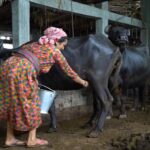
Embarking on a dairy farming venture is a significant undertaking, blending passion for agriculture with sharp business sense. It’s a rewarding path that contributes to local and global food supplies. Success, however, depends on careful planning and execution. This guide offers a proven framework to help you navigate the complexities of starting your own dairy farm, no matter where you are in the world. We will cover everything from finding the perfect piece of land to understanding the market for your milk. By following these steps, you can build a sustainable and profitable dairy operation from the ground up.
Starting a dairy farm is a meaningful endeavor—one that combines a passion for agriculture with practical business sense. It’s a journey that supports both local and global food systems. To succeed, however, you need more than ambition; careful planning and smart execution are essential at every step. This guide delivers a clear, proven framework to help you build a sustainable and profitable dairy operation, wherever you are in the world. We’ll walk you through crucial decisions, from selecting the perfect land to planning your business for long-term success.
Every successful dairy farm starts with the right land. Your location influences everything, from daily operating costs to the health and productivity of your herd.
Key Considerations for Site Selection:
A well-chosen location sets your farm up for long-term success, so take the time to weigh these factors carefully.
Your choice of breeds will impact milk yield, product quality, and how efficiently you can operate.
Popular Dairy Breeds and Key Traits:
Pro Tip:
Rather than blindly following trends, match your herd to your climate, available feed, and business model. Sometimes, a hardy and efficient forager is more profitable long-term than a high-yield breed that needs intensive care.
Effective infrastructure ensures animal welfare, operational efficiency, and flexibility for future expansion.
Essential Components:
Feed is often your largest expense—typically over half of your total operating cost. Strategic nutrition planning ensures high productivity and a healthy herd.
The Four Foundations of Dairy Nutrition:
Work with an animal nutritionist to create a total mixed ration (TMR) tailored to your herd’s needs. This approach keeps productivity steady and herd health strong.
Clarity around expenses leads to more informed decisions, competitive pricing, and increased profitability. Use modern tools to monitor and analyze each line item for continuous improvement.
| Cost Category | Examples | Optimization Strategies |
|---|---|---|
| Feed & Nutrition (50–60%) | Forage, concentrates, silage, supplements | Automated rations, modern feed management, waste reduction |
| Veterinary & Breeding | Routine care, vaccinations, AI services | Health analytics, targeted breeding programs |
| Utilities | Water, power, lighting, cooling | Smart sensors, usage alerts, energy audits |
| Labor | Milkers, herdsmen, admin staff | Workforce scheduling software, clear performance tracking |
| Infrastructure Depreciation | Barns, parlors, tractors, equipment | Preventive maintenance plans, asset tracking |
| Land & Insurance | Taxes, leases, liability coverage | Regular policy review, land valuation tools |
Boosting yield is about working smarter—not just harder. Focus on effective strategies for steady, profitable production.
| Yield Strategy | Description | Actionable Tips |
|---|---|---|
| Lactation Curve Management | Track and analyze herd production over time | Use herd management systems to forecast drops and adjust rations proactively |
| Genetic Selection | Breed cows suited to your climate and system | Genomic analysis to target traits that fit your farm’s conditions and goals |
| Culling & Replacement | Remove underperformers, bring in better replacements | Objective data scoring to guide decisions |
| Tiered Nutrition | Adjust feeding by lactation phase | Automate allocation to boost efficiency and ensure high yield where it matters |
Smart outsourcing lets you focus on your strengths while gaining access to specialist expertise and greater capacity.
| Outsourced Activity | Opportunity / Benefit | Strategic Approach |
|---|---|---|
| Feed Production | Ensure quality & free up internal resources | Partner with local growers, use comparative pricing tools |
| Heifer Rearing | Expert care, reduce crowding | Contract with specialists and track progress remotely |
| Milk Processing & Distribution | Add value, expand into new markets | Partner with regional processors, leverage market analytics |
Don’t just focus on milk—byproducts can be lucrative if managed well.
| Byproduct | Revenue Potential | Optimization Tips |
|---|---|---|
| Cheese | Specialty, export, and local premium products | Forecast demand, manage inventory with data tools |
| Yogurt & Kefir | Growing global health markets | Watch consumer trends, adapt with new flavors |
| Ghee & Butter | Staple in diverse international cuisines | Use dynamic pricing, maximize shelf life |
| Biogas | On-farm energy or sell to grid | Monitor and forecast output for maximum efficiency |
| Organic Fertilizer | Sell to farmers, nurseries, and gardeners | Manage inventory based on season and market demand |
Healthy animals are the foundation of a productive dairy.
Build a Proactive Health Program:
To thrive, you must treat your dairy as a business—with an eye on both today’s market and tomorrow’s opportunities.
Your Plan Should Cover:
Market volatility is a reality. By diversifying—such as adding value with your own cheese or yogurt lines—you buffer against shifting prices and open up new revenue streams.
Starting a dairy farm is demanding, but with careful, data-driven planning, a commitment to animal welfare, and a hands-on approach to business management, it can also be profoundly fulfilling. Each step you take sets a foundation for longevity and success. Use these proven methods and structured tables as your roadmap, and your dairy farm can prosper for years to come.